
China’s exports to Africa are experiencing a historic acceleration, with the continent emerging as Beijing’s fastest-growing export engine, a dynamic reshaping global trade patterns amid ongoing commercial tensions with Washington.
The significant surge in trade underscores a strategic pivot by Chinese exporters towards new markets, driven by both geopolitical considerations and Africa’s burgeoning demand for infrastructure, energy, and transportation solutions. This shift is not merely incremental but represents a profound reorientation of China’s export strategy, with Africa’s contribution to China’s overall export growth reaching unprecedented levels.
中国对非洲出口实现历史性加速
According to the latest data from Chinese customs, China’s exports to Africa surged by an impressive 25.9% in the first eight months of 2025 compared to the same period last year. This robust growth trajectory has seen Beijing sell approximately 122 billion US dollars (about 880 billion RMB) worth of goods to the continent within this timeframe, already surpassing the total for the entire year of 2020. Projections suggest that the total value of exports could exceed 200 billion US dollars (about 1.44 trillion RMB) by the end of 2025, marking a new milestone in China-Africa trade relations.
What is particularly striking is Africa’s escalating importance as a driver of China’s overall export growth. Since January 2025, Africa has contributed a quarter (25%) of the total increase in China’s exports. This figure represents a dramatic leap from just 0.2% in 2024, highlighting the continent’s rapidly expanding role in absorbing Chinese goods and services. This acceleration is largely attributed to Africa’s vast and unmet demand across various sectors, coupled with China’s capacity to provide competitive and comprehensive solutions.
基础设施和能源转型需求推动增长
The construction and public works (BTP) sector in Africa has witnessed an explosion in demand, serving as a primary catalyst for China’s export boom. In the first half of 2025 alone, African nations signed construction contracts worth over 30.5 billion US dollars (about 220 billion RMB) with Chinese enterprises. This figure is five times higher than that recorded in the same period last year, indicating a massive scale-up in infrastructure development across the continent. Consequently, China’s exports of construction machinery to Africa have soared by 63%, while steel exports have also seen double-digit growth, underscoring the foundational role of Chinese materials and equipment in Africa’s building endeavors.
Beyond traditional infrastructure, the energy transition is providing a significant new impetus for trade. African countries are increasingly seeking rapid and affordable solutions to diversify their energy mix and reduce their reliance on diesel, a common but costly and environmentally impactful fuel source. China, a global leader in renewable energy technology and manufacturing, has emerged as a natural and preferred supplier for the continent’s green ambitions. Exports of solar panels from China to Africa have surged by 60%, while lithium-ion batteries and electrical conversion equipment have also experienced robust growth, with increases in the double digits and 25% respectively. This trend reflects Africa’s commitment to sustainable development and China’s pivotal role in facilitating this transition.
地缘政治与贸易多元化策略
The current dynamic in China-Africa trade is, to a significant extent, a product of evolving geopolitics and global trade tensions. As Chinese exporters face “reciprocal tariffs” and increased scrutiny from Washington, they are actively seeking less exposed markets to diversify their global footprint. Africa, with its vast potential, growing economies, and generally receptive stance towards Chinese engagement, presents an attractive alternative.
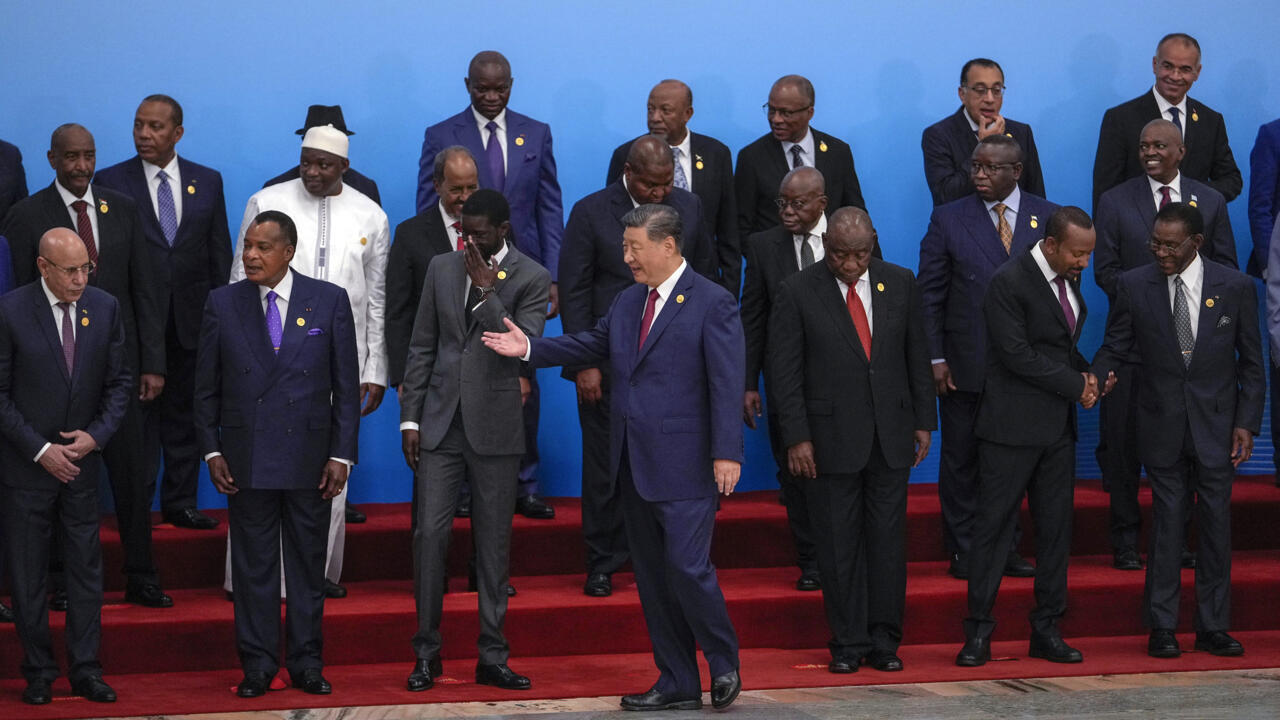
This strategic diversification aligns with China’s long-standing “Belt and Road Initiative” (BRI), which has seen substantial investments in African infrastructure and connectivity over the past decade. While the immediate acceleration in exports is linked to current trade frictions, it also builds upon years of groundwork laid through forums and bilateral agreements. For instance, Chinese President Xi Jinping hosted numerous African heads of state at the Forum on China-Africa Cooperation (FOCAC) in Beijing on September 5, 2024, an event that typically reinforces economic and political ties and sets the agenda for future collaboration.
The emphasis on Africa as a key market allows China to mitigate some of the risks associated with trade dependencies on traditional Western markets, particularly the United States. By fostering deeper economic ties with African nations, Beijing aims to create more resilient and diversified supply chains and export destinations, thereby strengthening its position in a complex global trade environment.
对非洲大陆的深远影响
The accelerated influx of Chinese goods and the signing of numerous construction contracts are poised to have profound and multifaceted impacts on the African continent. On one hand, the availability of affordable Chinese machinery, materials, and renewable energy solutions can significantly accelerate Africa’s development goals. Enhanced infrastructure, from roads and railways to ports and power grids, is crucial for boosting intra-African trade, fostering economic integration, and improving the livelihoods of millions. The rapid deployment of solar panels and other clean energy technologies can help address Africa’s chronic energy deficits, reduce reliance on fossil fuels, and contribute to global climate action.
On the other hand, the rapid expansion of Chinese exports and project engagements also raises questions about their long-term implications for African economies. While Chinese goods offer competitive pricing, concerns sometimes emerge regarding their impact on nascent local industries and job creation. The scale of construction contracts, while addressing critical infrastructure gaps, also necessitates careful management of debt levels for African nations. Different sources offer varying perspectives on these issues, with some highlighting the tangible benefits of Chinese-funded projects and others cautioning against potential dependencies or environmental impacts.
The focus on energy transition equipment, however, is largely viewed positively. By providing accessible and cost-effective renewable energy solutions, China is empowering African countries to leapfrog traditional fossil fuel-based development models and embrace a cleaner energy future. This aligns with global sustainability goals and offers African nations a path towards energy security and reduced carbon footprints.
中非合作的历史与未来展望
China’s engagement with Africa has a rich history, dating back to the Bandung Conference in 1955 and strengthening significantly since the establishment of FOCAC in 2000. Over the decades, this relationship has evolved from political solidarity to comprehensive economic partnership, encompassing trade, investment, aid, and cultural exchange. China has consistently been Africa’s largest trading partner since 2009, and the current acceleration in exports further solidifies this position.
Looking ahead, the trajectory of China-Africa trade is likely to remain robust. Africa’s population is projected to double by 2050, creating an enormous consumer market and a growing workforce. The continent’s vast natural resources, coupled with its increasing urbanization and industrialization, will continue to drive demand for infrastructure, technology, and manufactured goods. China, with its industrial capacity and strategic focus, is well-positioned to meet these needs.
However, the long-term sustainability of this partnership will depend on addressing potential challenges, including ensuring equitable benefits, promoting local content and job creation, managing environmental impacts, and fostering transparency in project financing. As China continues to diversify its global trade strategy, and Africa pursues its ambitious development agenda, the evolving relationship between the two will remain a critical area of focus for international observers and policymakers alike.
参考来源
- La Chine continue l'accélération historique de ses exportations vers l’Afrique — RFI(2025-12-05):查看原文