
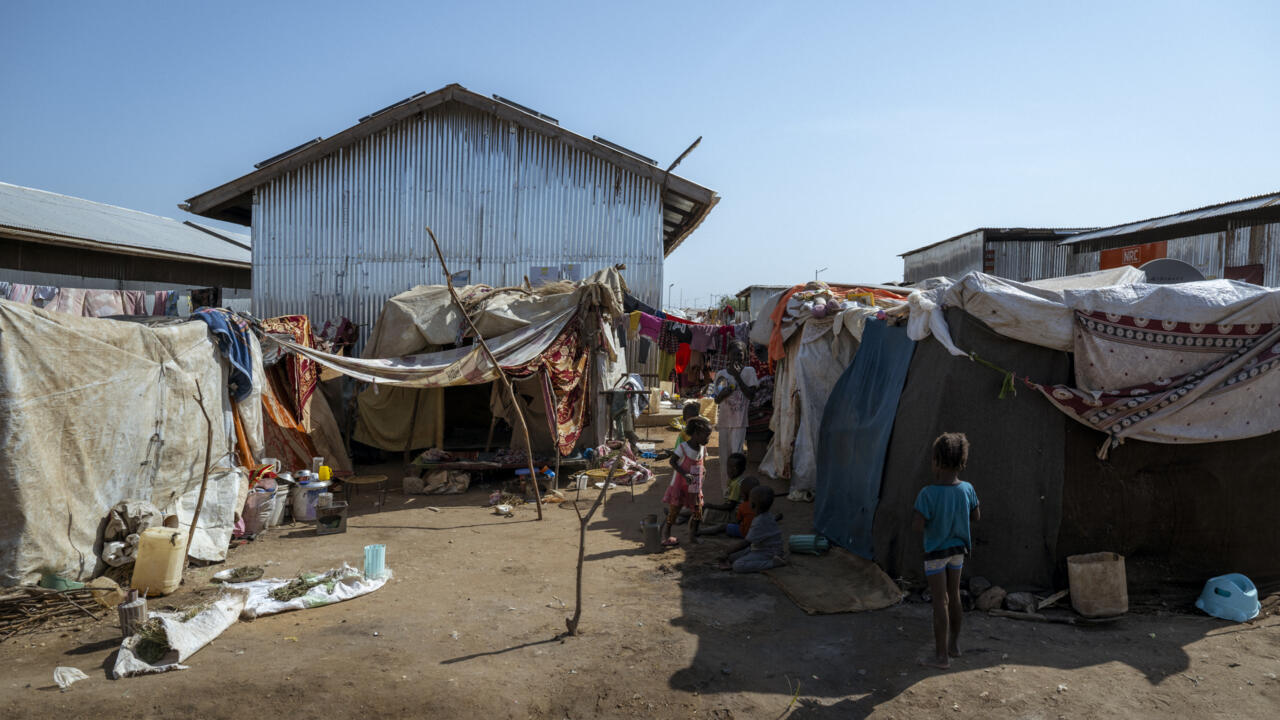
South Sudan, the world’s youngest nation, is grappling with its most severe humanitarian crisis since its independence in 2011, as international aid plummets to unprecedented lows while nearly half of its population faces famine amid escalating political tensions and widespread corruption.
As of late November 2025, the East African nation has received the lowest amount of international assistance since its founding 14 years ago, a situation exacerbated by significant budget cuts from traditional donors, most notably the United States. This drastic reduction in funding comes at a critical juncture, with Oxfam, an international confederation of charitable organizations focused on the alleviation of global poverty, lamenting that these cuts have “deprived the population of vital humanitarian aid at the very moment they needed it most.”
International Aid Dries Up Amid Mounting Humanitarian Needs
The 2025 international emergency humanitarian aid plan for South Sudan, which aimed to secure $1.6 billion (approximately 11.5 billion RMB), is currently funded at less than 40%, with only a month remaining in the year. This severe shortfall directly impacts the delivery of essential services to a population already on the brink. Oxfam has highlighted that nearly 6 million people, roughly half of South Sudan’s total population, are currently suffering from famine and face extreme difficulties in accessing safe drinking water and sanitation facilities. The situation is projected to worsen significantly, with an estimated 7.5 million people expected to be affected by April 2026.
The dire humanitarian situation is attributed not only to the reduction in external support but also to systemic failures within South Sudan. Authorities have largely failed to provide basic services to their citizens, and the nation’s substantial oil revenues are frequently diverted by what Oxfam describes as “corrupt elites.” This internal mismanagement and lack of accountability further compound the challenges faced by the populace, making them more reliant on external aid that is now dwindling.
Political Instability Fuels Displacement and Conflict Fears
Beyond the humanitarian crisis, South Sudan is also contending with heightened political instability and renewed fears of conflict. These concerns escalated significantly following the indictment of an unnamed Vice President in September 2025 on charges of “crimes against humanity.” This indictment came after the Vice President’s arrest in March by units loyal to the President, whose name was also not disclosed in reports. The political maneuvering and subsequent violence have had a devastating impact on the civilian population.
The United Nations estimated in October that the violence triggered by these events has forced 300,000 South Sudanese to flee their homes, adding to an already staggering figure of over two million internally displaced persons (IDPs) within the country, according to Oxfam. Furthermore, South Sudan, despite its own internal turmoil, continues to host hundreds of thousands of Sudanese refugees who have sought refuge from the ongoing war in their neighboring country, Sudan. This influx of refugees places additional strain on the already stretched resources and fragile infrastructure of South Sudan, creating a complex web of humanitarian and security challenges.
A Nation Forged in Conflict Faces Renewed Hardship
South Sudan’s current struggles are deeply rooted in its tumultuous history since gaining independence from Sudan 14 years ago, in 2011. The euphoria of nationhood was short-lived, as the country plunged into a brutal civil war between 2013 and 2018, a conflict that claimed at least 400,000 lives and displaced millions. Although a fragile peace agreement was signed, the underlying issues of political rivalry, ethnic tensions, and resource control have largely remained unresolved, frequently flaring into localized violence and undermining efforts to build stable governance and deliver essential services.
The international community’s engagement with South Sudan has evolved over time. Initially, there was widespread support and optimism for the new nation. However, persistent reports of corruption, human rights abuses, and a lack of progress in establishing democratic institutions have led to donor fatigue and a re-evaluation of aid strategies. The current reduction in funding reflects a broader trend among some international donors to tie aid more closely to governance reforms and accountability, or to redirect resources to other global crises. This shift, while understandable from a donor perspective, has immediate and severe consequences for the most vulnerable populations in South Sudan, who are now caught between a struggling government and diminishing external support.
As the year draws to a close, the international community faces a critical decision regarding its commitment to South Sudan. The current trajectory suggests a deepening humanitarian catastrophe, potentially leading to further instability in an already volatile region. Addressing the crisis will require not only renewed financial commitment but also sustained diplomatic efforts to pressure South Sudanese authorities to tackle corruption, ensure accountability, and prioritize the well-being of their citizens.
参考来源
- Le Soudan du Sud, déjà dans une situation extrême, n'a jamais reçu si peu d'aide internationale — RFI(2025-11-25):查看原文