
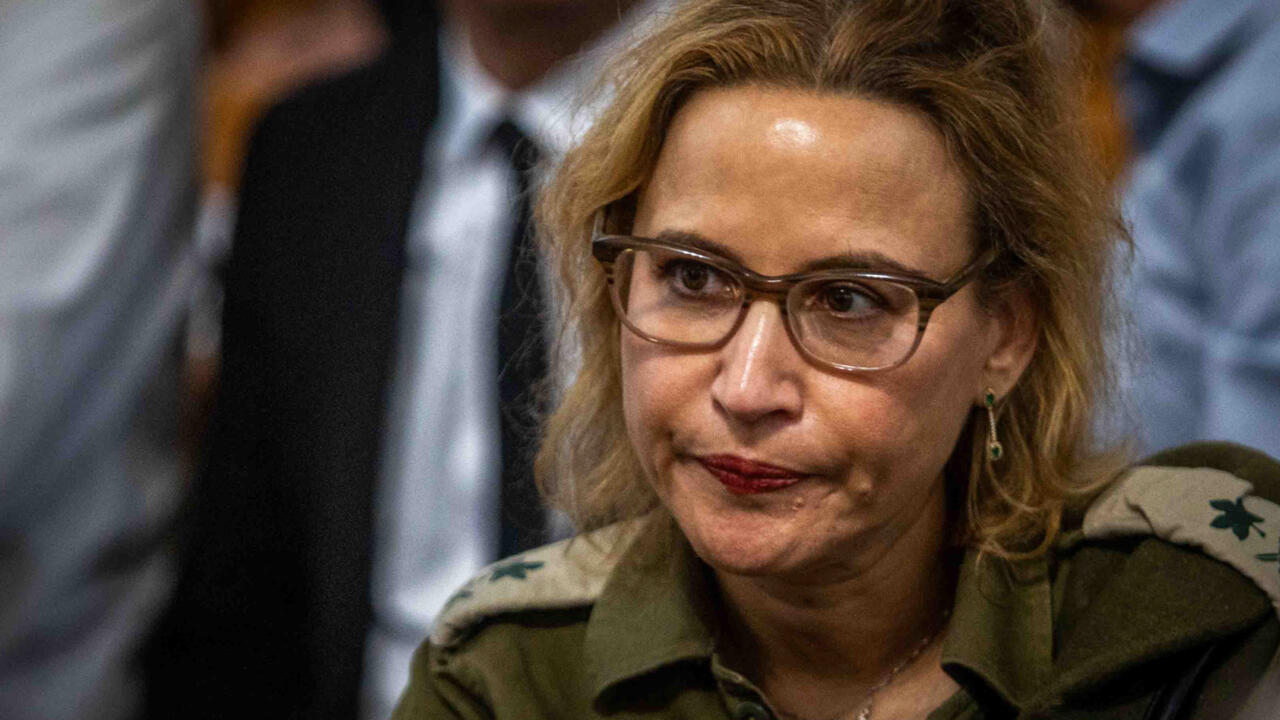
In a dramatic turn of events that has ignited a fierce political debate within Israel, Yifat Tomer-Yerushalmi, the former chief military prosecutor of the Israel Defense Forces (IDF), was arrested on November 2, 2025, following her admission to approving the leak of a video allegedly depicting the severe abuse of a Palestinian detainee. Her detention comes just days after her resignation from the high-profile position, deepening a national reckoning over military conduct and accountability.
High-Ranking Military Lawyer Resigns and Faces Arrest Over Leaked Footage
The saga began to unfold publicly on Friday, October 31, 2025, when Major General Yifat Tomer-Yerushalmi announced her resignation. In a move that sent shockwaves through the Israeli establishment, she openly admitted her role in authorizing the release of sensitive footage to the media. Tomer-Yerushalmi, who had served as the IDF’s top lawyer, stated her motivation was to counter what she described as “false propaganda” that sought to dismiss allegations of abuse as fabricated. Her intention, she claimed, was to expose the truth of the alleged mistreatment.
However, the situation escalated rapidly. On Sunday, November 2, 2025, reports emerged that Tomer-Yerushalmi was missing, sparking immediate concern. Later that day, police confirmed she had been found alive and well on a beach near Tel Aviv, but she was immediately taken into custody. While the specific legal charges against her have not been publicly detailed in the provided information, her arrest is widely understood to be connected to the unauthorized disclosure of classified military information, a serious offense in Israel.
Video Alleges Severe Abuse by Reserve Soldiers at Detention Center
The controversial video, which lies at the heart of this unfolding crisis, was broadcast in August 2024 on an Israeli news channel. It purports to show a deeply disturbing incident involving Israeli reserve soldiers at the Sde Teiman military base, located in southern Israel. Sde Teiman is known to operate as a detention center for Palestinians.
According to the footage and subsequent accusations, five reserve soldiers are seen isolating a Palestinian detainee. They then allegedly surrounded him with riot shields, deliberately obstructing visibility, before proceeding to assault him. The indictment against the soldiers claims they “acted against the detainee with great violence,” including beating him and, more disturbingly, stabbing him in the rectum with a sharp object. The detainee reportedly sustained severe injuries, including fractured ribs, a perforated lung, and an internal rectal tear. Following the broadcast of the video, the five reservists were charged with aggravated abuse and causing serious bodily harm to the detainee. The identity of the Palestinian detainee and the names of the accused soldiers have not been publicly disclosed in the available information, nor is the current status or outcome of the soldiers’ trial known.
Sources differ on the exact date of the alleged abuse incident. While one source indicates the video was broadcast in August 2024 with the incident occurring prior, another specifically states July 5, 2024. Furthermore, there is a notable difference in how the nature of the abuse is described. One source details the act as “stabbing in the rectum with a sharp object,” while another explicitly mentions “sexual abuse allegations” in connection with the incident. This difference in terminology highlights varying interpretations or levels of detail in reporting on the nature of the abuse, with the latter implying a more specific and grave form of violence.
Political Divide Deepens as Case Becomes a National Showdown
The arrest of Yifat Tomer-Yerushalmi has rapidly transcended a mere legal matter, evolving into a profound political confrontation that underscores deep ideological fissures within Israeli society. Tomer-Yerushalmi, once a respected figure within the military’s legal apparatus, has become a lightning rod for national debate.
She has faced virulent attacks from Israel’s far-right, which accuses her of betraying her country and tarnishing the reputation of the IDF, an institution held in high regard by many Israelis. These right-wing factions have often sought to discredit allegations of abuse against Palestinians, sometimes claiming them to be part of a broader “false propaganda” campaign aimed at delegitimizing Israel. Tomer-Yerushalmi’s own stated reason for leaking the video—to counter such claims—directly challenges this narrative, further fueling the animosity from the right.
Conversely, Tomer-Yerushalmi has garnered significant support from the democratic opposition. This segment of the political spectrum views her actions not as a betrayal, but as a courageous act of whistleblowing, essential for upholding transparency, accountability, and the moral integrity of the military. They argue that exposing alleged wrongdoing, even at personal cost, is vital for a democratic society and for maintaining the IDF’s ethical standards. This stark division highlights a fundamental disagreement over the balance between national security, military secrecy, and the imperative of human rights and internal oversight.
The case has thus become a microcosm of broader political struggles in Israel, reflecting ongoing debates about the treatment of Palestinian detainees, the role of the military in society, and the boundaries of dissent and transparency, especially in the context of the prolonged Israeli-Palestinian conflict.
Broader Implications for Military Accountability and International Scrutiny
The incident at Sde Teiman and the subsequent actions of Yifat Tomer-Yerushalmi carry significant implications for Israel’s military and its standing on the international stage. The allegations of severe abuse, particularly the graphic details of the assault, raise serious concerns about human rights violations and potential breaches of international law, including the Fourth Geneva Convention, which governs the treatment of protected persons in occupied territories.
For the IDF, an institution that prides itself on its ethical code and professionalism, such allegations, especially when brought to light by a former senior legal officer, are deeply damaging to its reputation. They fuel narratives of impunity and undermine efforts to portray the military as operating within the bounds of international humanitarian law. The incident could intensify international scrutiny from human rights organizations, the United Nations, and various foreign governments, potentially leading to calls for independent investigations and greater accountability.
The case also highlights the complex ethical dilemma faced by individuals within military or government structures who witness alleged misconduct. Tomer-Yerushalmi’s decision to leak the video, despite the clear personal and professional risks, exemplifies the tension between an individual’s moral conscience and the strictures of military discipline and national security. While some may laud her as a whistleblower acting in the public interest, others will condemn her for undermining military secrecy and potentially endangering national security, regardless of her stated intentions. The legal basis for her arrest, though unspecified in the provided facts, likely pertains to laws concerning the disclosure of classified information, which are stringent in most countries, including Israel.
The political polarization surrounding her case further complicates the path to resolution. The intense public debate risks overshadowing the underlying allegations of abuse, transforming the focus from the victims and the perpetrators to the political battlelines drawn around the whistleblower. This could potentially hinder a thorough and impartial investigation into the actions of the reserve soldiers and the broader conditions at the Sde Teiman detention center.
The treatment of Palestinian detainees in Israeli custody has long been a contentious issue, drawing criticism from international human rights groups. Reports of overcrowding, inadequate medical care, and various forms of mistreatment have surfaced periodically. While Israel maintains that its detention facilities adhere to legal standards and that any allegations of abuse are thoroughly investigated, incidents like the one at Sde Teiman, especially when corroborated by leaked footage and acknowledged by high-ranking officials, challenge these assurances and underscore the persistent concerns regarding accountability and oversight within the system.
As the legal proceedings against Tomer-Yerushalmi and the accused soldiers unfold, the case will undoubtedly continue to be a focal point for discussions on military ethics, human rights, and the future of civil-military relations in Israel, with potential long-term ramifications for its domestic politics and international standing.
参考来源
- Israël: l'ex-procureure générale de l'armée arrêtée pour la fuite d'une vidéo de violences dans une prison — RFI(2025-11-03):查看原文
- Israeli military's ex-top lawyer arrested as scandal over video leak deepens — BBC News(2025-11-03):查看原文