
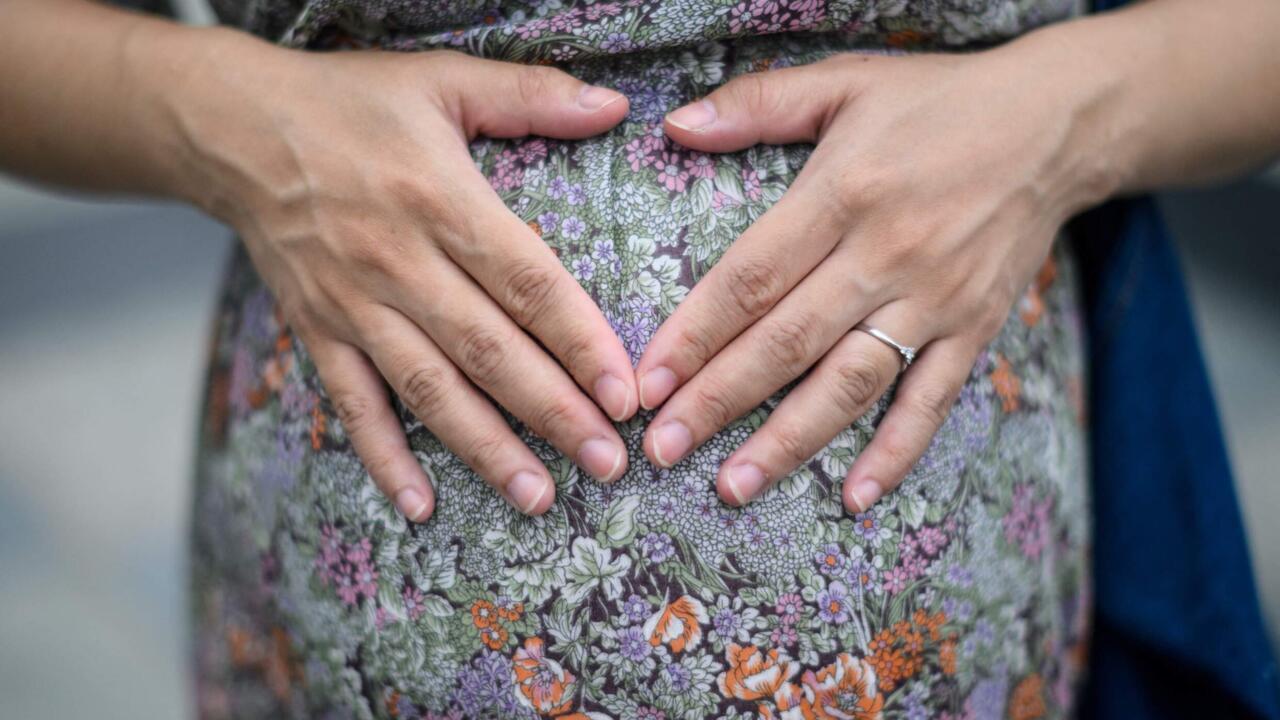
A recent investigation by The Guardian has brought to light what it describes as “sectarian abuses” linked to unassisted childbirth practices in the United States, raising serious concerns about maternal and infant safety.
Investigation Uncovers Extreme Promotion of Unassisted Births
The investigation, published on Saturday, November 22, revealed a growing trend in the U.S. where women are encouraged to reject obstetricians and the conventional medical system during childbirth. This practice, often promoted through social media, advocates for “free birth” as a means for women to regain control over their bodies, but it has been linked to severe and even fatal outcomes for both mothers and newborns.
At the heart of this phenomenon, The Guardian‘s report points to the American company Free Birth Society (FBS). Described as an entity that “extremely encourages” unassisted childbirth, FBS operates a popular YouTube channel and podcast, launched in 2017, which has garnered millions of downloads. These platforms feature hundreds of testimonials from women who have given birth entirely outside the medical system. The company is run by two former doulas who have transitioned into social media influencers, leveraging their online presence to disseminate their philosophy.
The Philosophy Behind Rejecting Medical Assistance
The appeal of unassisted childbirth, or “free birth,” stems from various factors. For some women, it is rooted in a profound distrust of the medical establishment and a desire for greater bodily autonomy. Others are driven by a philosophical stance that rejects reliance on healthcare providers altogether. Proponents claim that this approach empowers women, allowing them to experience childbirth naturally and on their own terms, free from perceived interventions or over-medicalization.
However, critics and medical professionals warn that this pursuit of autonomy comes with significant, often life-threatening, risks. The lack of trained medical supervision means that complications, which can arise swiftly and unexpectedly during labor and delivery, may go undetected or untreated until it is too late.
Tragic Consequences Linked to Unassisted Childbirth
The consequences of unassisted childbirth can be dire. The Guardian‘s investigation links Free Birth Society’s promotion to dozens of cases of full-term stillbirths, neonatal deaths, and other severe injuries involving mothers or midwives across the globe. While the exact number of such incidents directly attributable to FBS’s influence remains unspecified in the report, the recurring pattern of harm is a significant concern.
These tragic outcomes have been reported not only in the United States but also in Canada, Switzerland, France, South Africa, and the United Kingdom, highlighting the international reach of this movement. The core problem, according to medical experts, is that while some women might seek medical help if they realize a problem is developing, many critical complications are not immediately obvious to an untrained individual, and by the time they are recognized, the situation may have progressed beyond effective intervention.
Expert Warnings on Unseen Complications
Floriane Stauffer, a midwife and co-director of a professional association for home-assisted births, emphasizes the critical importance of having a trained professional present during childbirth, even in a home setting. “We strongly advocate for having a midwife at home, even if it’s just to discuss and ensure minimal examinations and great respect for the process,” Stauffer stated. “But there must be at least someone on site.”
Stauffer further elaborated on the danger of undetected complications: “The problem is that these women, perhaps if, at some point, they are all alone and realize there’s a problem, they will go to the maternity ward. But there are some complications that we don’t necessarily see, even though the situation is already too advanced.” This underscores the specialized knowledge and experience required to monitor labor, identify potential issues, and intervene promptly to prevent adverse outcomes.
The Broader Context of Childbirth Choices and Medical Mistrust
The rise of the unassisted childbirth movement can be seen within a broader context of evolving attitudes towards healthcare and personal autonomy. In many Western countries, there has been a growing discussion around patient rights, informed consent, and the desire for more personalized birthing experiences. For some, the traditional hospital birth model is perceived as overly medicalized, impersonal, or even disempowering.
However, medical professionals consistently stress that while women have the right to make informed choices about their bodies and births, these choices must be balanced against established medical evidence regarding safety. Organizations like the World Health Organization (WHO) advocate for skilled birth attendance for all births, recognizing that complications can arise unpredictably and require immediate, expert intervention to save lives.
The term “sectarian abuses” used by The Guardian suggests that the promotion of unassisted birth by entities like Free Birth Society goes beyond mere advocacy for alternative birthing methods. It implies a systematic encouragement that may exploit vulnerabilities, foster an extreme distrust of mainstream medicine, and potentially lead individuals to make choices that are demonstrably unsafe, under the guise of empowerment and autonomy. Details on what specific behaviors constitute these “sectarian abuses” beyond the extreme encouragement of unassisted birth were not fully elaborated in the available information, but the implication is that the group’s influence extends to fostering an insular belief system that actively discourages seeking necessary medical care.
The investigation serves as a stark reminder of the delicate balance between personal choice and public health, particularly in the highly sensitive and critical domain of childbirth. As discussions around birthing practices continue, the focus remains on ensuring that women are empowered with accurate information and access to safe, evidence-based care, regardless of their chosen birthing environment.
参考来源
- Maternité: une enquête révèle les dérives des accouchements non assistés aux États-Unis — RFI(2025-11-24):查看原文