
The 30th United Nations Climate Change Conference (COP30) has commenced in Belém, Brazil, bringing together global leaders and negotiators to confront the escalating climate crisis amidst significant geopolitical and economic challenges.
Global Leaders Convene in Belém to Address Urgent Climate Crisis
The two-week-long summit, running from Monday, November 10, to Friday, November 21, 2025, in the Amazonian city of Belém, officially opened its doors to representatives from approximately 190 nations. The overarching objective of COP30 is to accelerate global efforts to mitigate the devastating impacts of climate change, which are increasingly manifest across the globe. However, the path to consensus appears fraught with multiple points of contention, including commercial disputes over green technologies, the perennial challenge of mobilizing adequate financial resources for climate action, and a perceived decline in the ambition of many states.
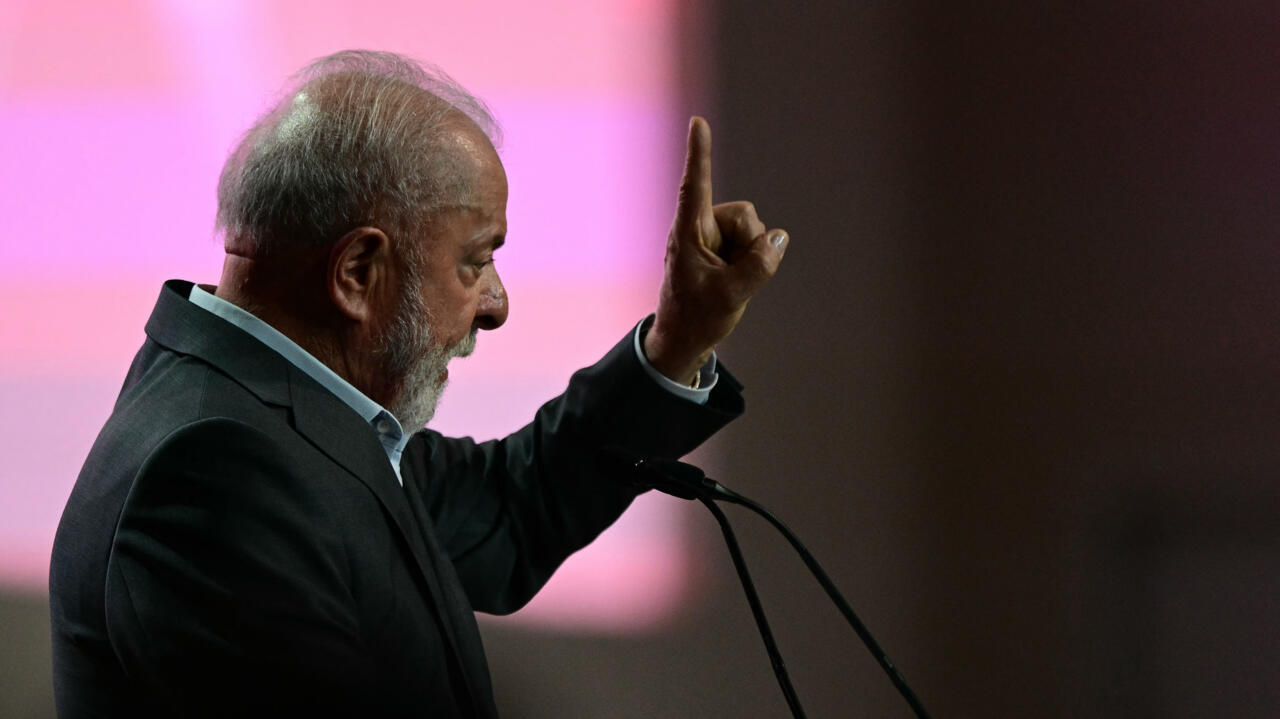
Brazilian President Luiz Inácio Lula da Silva, as the host nation’s leader, delivered a powerful opening address that set a somber yet determined tone for the conference. Speaking on Monday, November 10, President Lula underscored the immediate and profound nature of the climate crisis, declaring, “COP30 will be the COP of truth […]. Climate change is no longer a threat for the future; it is a tragedy of the present.” He drew a stark comparison between the costs of climate action and military expenditures, asserting that “it is much less costly to spend 1.3 trillion US dollars (approximately 9.3 trillion RMB) to end this deadly problem than to spend 2.7 trillion US dollars (approximately 19.4 trillion RMB) to wage war, as was the case last year.” This statement highlighted the urgent need for a reallocation of global priorities and resources towards environmental sustainability.
UN Climate Chief Urges Decisive Action Amidst Spreading Crises
Echoing President Lula’s call for urgency, Simon Stiell, the Executive Secretary of UN Climate Change, delivered a stern warning to the assembled delegates. He emphasized that mere lamentation over the crisis is insufficient, stating, “Lamenting is not a strategy: we need solutions.” Stiell painted a grim picture of a world grappling with the consequences of inaction, where “quarreling while famines take hold, forcing millions of people to flee their countries, will never be forgiven as conflicts spread.” He further cautioned against complacency, asserting that “as climate disasters decimate the lives of millions of people, while we already have the solutions, this will never, never be forgiven.” His impassioned plea urged representatives to “rise up” and commit to concrete actions to avert further catastrophe.
The sentiment of impending disaster was further articulated by Ian Rivera, Coordinator of the Philippine Climate Justice Movement, who commented on the opening of COP30. Rivera conveyed a stark message to world leaders: “Time is running out! We are facing a ticking time bomb, and everyone has something to lose in these negotiations that fail year after year, without leading to concrete results to solve [the climate crisis].” His remarks underscore the frustration and desperation felt by vulnerable communities on the frontlines of climate change, who have witnessed successive conferences yield insufficient progress.
Global Climate Impacts Intensify, Highlighting Urgency of Negotiations
The backdrop to COP30 is a world increasingly besieged by extreme weather events and environmental degradation, serving as a stark reminder of the conference’s critical importance. From severe droughts and devastating forest fires ravaging parts of Africa and Europe to widespread flooding across South America and Southeast Asia, the escalating global temperatures are inflicting immense suffering, particularly upon the most vulnerable populations. Just prior to the conference, the Philippines was battered by “Super Typhoon” Fung-wong, a powerful storm that brought widespread destruction, exemplifying the immediate and tangible threats posed by a changing climate.
These escalating impacts provide a compelling context for the negotiations, yet the international landscape presents formidable obstacles. The discussions at COP30 are already weighed down by several points of tension. Commercially, disagreements persist over the equitable development and deployment of green technologies, with developing nations often seeking greater access and support. Financially, the critical issue of mobilizing sufficient resources to support climate action, particularly for adaptation and loss and damage in developing countries, remains a significant hurdle. Furthermore, a discernible decline in the overall ambition of states to commit to more stringent emission reduction targets and climate policies adds a political layer of complexity, threatening to undermine the collective will required for meaningful progress.
Historical Context of Climate Negotiations and Future Outlook
The United Nations Climate Change Conferences, or COPs, have been held annually since 1995, serving as the supreme decision-making body of the United Nations Framework Convention on Climate Change (UNFCCC). These gatherings bring together signatory nations to assess progress in dealing with climate change, and to negotiate legally binding protocols and agreements. Key milestones include the Kyoto Protocol in 1997, which set legally binding emission reduction targets for developed countries, and the Paris Agreement in 2015, which established a universal framework for climate action, aiming to limit global warming to well below 2 degrees Celsius (3.6 degrees Fahrenheit) above pre-industrial levels, and preferably to 1.5 degrees Celsius (2.7 degrees Fahrenheit).
Despite these agreements, the implementation and ambition have often fallen short of the scientific imperative. Each COP typically grapples with issues such as national contributions (Nationally Determined Contributions, NDCs), climate finance, adaptation, technology transfer, and transparency frameworks. COP30 in Belém, located in the heart of the Amazon rainforest, carries particular symbolic weight, placing the spotlight on biodiversity, deforestation, and the critical role of natural ecosystems in climate regulation. The outcomes of these two weeks of intense negotiations will be closely watched by governments, environmental organizations, and vulnerable communities worldwide, as they seek clear signals of a renewed global commitment to addressing what many now call humanity’s greatest challenge.
参考来源
- À Belèm, la COP30 s'ouvre pour deux semaines avec plusieurs points de tension en toile de fond — RFI(2025-11-11):查看原文