
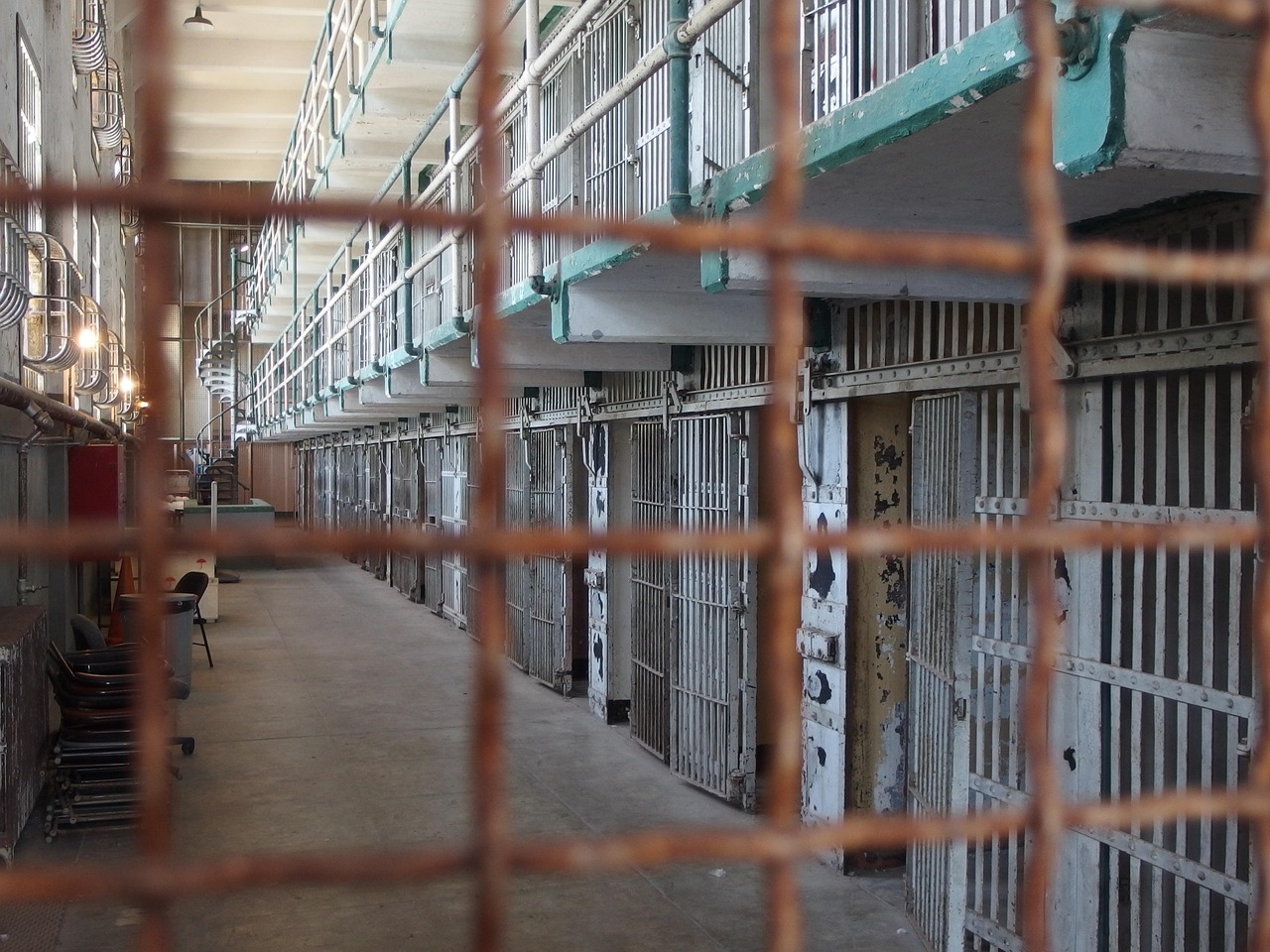
A British couple, Craig and Lindsay Foreman, jailed in Iran since January 2025 on espionage charges that their family describes as “ludicrous,” have reportedly begun a hunger strike in Tehran’s notorious Evin Prison, their son told the BBC, calling it a “cry out for help.”
British Couple Detained in Iran Accused of Espionage
Craig and Lindsay Foreman, both in their 50s and from East Sussex, were on an ambitious around-the-world motorbike trip when they were arrested by Iranian authorities in January 2025. Their son, Joe Bennett, stated that his mother, Lindsay, has been specifically accused of “asking questions that could prompt regime change.” The family vehemently denies these allegations, asserting that the couple entered Iran with valid visas, were accompanied by a licensed guide, and followed a pre-approved itinerary.
The Foremans were initially detained in the city of Kerman, where they endured 30 days in solitary confinement before being permitted to share a cell. They have since been transferred to Evin Prison in Tehran, a facility known for holding political prisoners and foreign nationals, where they are currently held in separate cells.
The news of their hunger strike emerged on November 12, 2025, following a seven-and-a-half-minute phone call Lindsay Foreman was allowed with her son on Tuesday, November 11. During this call, she reportedly told her son that “not eating was the only power she’s got” and expressed feeling “lost and let down by the government here as well as the authorities in Iran.” The exact commencement date of their hunger strike remains unclear, with Joe Bennett stating he was unsure when it began.
Family’s Desperate Plea for Intervention
Joe Bennett has been at the forefront of efforts to secure his parents’ release, describing the charges against them as “ludicrous.” He has called upon UK officials to intervene decisively. Last month, in October 2025, Mr. Bennett met with UK Foreign Secretary Yvette Cooper to discuss the case, highlighting the urgency of the situation. Since their arrest in January, he has only been able to speak with his mother three times, with the first permitted call occurring in August 2025.
The family’s account emphasizes that the Foremans were tourists with no political agenda. Their carefully planned journey, including adherence to Iranian visa requirements and local guidance, underscores their shock and confusion regarding the severe accusations. The son’s public appeals and direct engagement with the British government reflect the family’s growing desperation as the couple’s detention prolongs and their health potentially deteriorates due to the hunger strike.
Diplomatic Engagement and Broader Context of Detentions
The UK Foreign, Commonwealth and Development Office (FCDO) has confirmed its engagement with the case. While declining immediate comment on the latest developments regarding the hunger strike, the FCDO previously stated that it “continued to raise the case of Mr and Ms Foreman directly with the Iranian authorities” and was providing them with consular assistance. The British government maintains a strong advisory against all travel to Iran, citing a “significant risk” of arrest. The FCDO explicitly warns that merely possessing a British passport or having connections to the UK “can be reason enough for the Iranian authorities to detain you.”
This case is not isolated and resonates with a broader pattern of foreign nationals, particularly those with dual nationality or connections to Western countries, being detained in Iran on charges often related to national security or espionage. Such detentions frequently become points of contention in international relations, with accusations from Western governments of “hostage diplomacy” or arbitrary detention. While Iran consistently denies these allegations, asserting that all arrests are based on legal grounds and due process, the lack of transparency in judicial proceedings for foreign detainees often raises concerns among international human rights organizations.
The allegations against Lindsay Foreman, specifically “asking questions that could prompt regime change,” highlight the extreme sensitivity within Iran regarding any perceived external interference in its domestic affairs. The Iranian government views any discussion or inquiry into its political system by foreign nationals with deep suspicion, especially in the context of broader geopolitical tensions with Western powers.
The Shadow of Previous Cases and Humanitarian Concerns
The Foremans’ situation draws parallels with other high-profile cases of British citizens detained in Iran, such as Nazanin Zaghari-Ratcliffe, a British-Iranian charity worker who was held for nearly six years on espionage charges before being released in 2022. These past cases often involved prolonged negotiations and significant diplomatic efforts, sometimes linked to unrelated financial disputes or political leverage. The Foremans’ case, involving a couple on a tourist trip, adds another dimension to these concerns, suggesting that even seemingly innocuous activities can be misinterpreted or weaponized.
The decision by Lindsay Foreman to undertake a hunger strike underscores the severe psychological and emotional toll of prolonged detention and the feeling of helplessness. Hunger strikes, while a powerful form of protest, carry significant health risks, especially for individuals in their 50s. The lack of information regarding Craig Foreman’s health and whether he has also joined the hunger strike adds to the family’s distress and the overall humanitarian concerns surrounding their detention.
As the FCDO continues its diplomatic efforts, the family and international observers will be closely watching for any official response from Iranian authorities regarding the hunger strike and the couple’s overall well-being. The case serves as a stark reminder of the complexities and risks involved for foreign nationals traveling in regions marked by geopolitical tensions and opaque legal systems.
参考来源
- British couple held in Iran are on hunger strike, son says — BBC News(2025-11-12):查看原文